Partisan and its siblings are gossip rags, says the sectarian left. But, Max J counters, what Partisan aims to do is far above gossip: it aims to do journalism.
An easy and lazy way to dismiss publications like Partisan is to dismiss them as “gossip”. After all, you could argue, reporting on sectarian squabbles, splits and forays is just sharing rumours and idle talk. It would attract a readership that only wants to hear about the latest rumours of the week. In publishing such gossip and rumours, it could be argued, Partisan only serves the purpose of spreading discord and mistrust. This is a very backwards and sectarian attitude.
Journalism is a craft that people love to hate. As the tagline for MediaWatch goes, everyone loves it until they’re in it. For centuries, journalists have had to contest the Powers That Be and in this struggle, have had to fight tooth and nail for legitimacy and credibility. Journalists are easily discredited as spreading “gossip”, and while everyone spreads gossip, no one likes someone who commits themselves to it. After all, reporting on seemingly inane things in people’s day to day lives could only be for the purpose of scraping the barrel for rumours and other nonsense. In reality, only those with a vested interested in keeping secrets accuse others of spreading “gossip”.
There’s a thin line between “news” and “gossip”. If you hear that your neighbour has a tendency to kick puppies, and you decide to chat with your other neighbour about this, this is for sure gossip. What makes it gossip? It’s the private, informal discussion of unproven speculation, probably to make your neighbour look bad, and to revel in the feeling that you’re better than them. Can you even prove that your neighbour kicks puppies? Contrast this with talking to your neighbour about the weather. You look up at the sky and think, well, there’s a bunch of grey clouds, it must be going to rain soon. Is this gossip? Surely not, you’re discussing something that’s about to happen of interest to yourself and your neighbour. It’s news, even if it’s not being told to you by someone on the TV, over the radio, or in a newspaper.
So the difference between gossip and news is night and day, if you interrogate it. When you gossip, you’re spreading rumours, you’re talking about people behind their backs to others, you speculate privately. It’s undignified, it’s to damage, not learn. When you’re discussing news, maybe it’s privately, but it’s about facts, with a bit of speculation. What grounds to people have to accuse Partisan of spreading gossip? Partisan reports on the Left, earnestly, and devotes itself to a democratic and transparent discourse. We reported on, among other things, a split in the Australian Communist Party, a split in the Red Ant organisation, and published debates with the Spartacist League of Australia. What makes this gossip? Our reporting was factual, really as factual as it could get, and it was published in a comradely way. Not perfectly, since the subjects of these splits perhaps were not given enough opportunity to comment, but Partisan conducted itself far better than most of its contemporaries in socialist publishing.
Just as a puppy-kicker has a vested interested in discrediting you for accusing him of puppy-kicking, so too does the splitter and the wrecker have a vested interest in discrediting you for reporting on his splitting and wrecking. If what Partisan reports on is simply gossip, then that means it’s not very interesting; there’s no merit or quality to it, and it’s best left unsaid, unwritten. But what Partisan reports on is what the Left is doing. So to claim that Partisan publishes gossip is to claim that what the Left is really doing, behind the Red Flag headlines and spiffy campaign posts on Instagram, is worthless and uninteresting. How can we expect the working class to take us seriously as a movement if we don’t take what we do, our political and industrial work, seriously?
Splits and fractures in organisations are not background noise, they are noteworthy developments. For older comrades, splitting every week might seem normal, but to younger comrades this is an anomaly, they aren’t used to it. It stands to reason that a split, a fracture, is newsworthy for the socialist press. Reporting on splits, however, is inconvenient often to both sides; whether one side is ‘right’ or ‘wrong’ often hinges on which personality you find the most sympathetic. The role of a revolutionary journalist is to elevate the facts to not only inform and educate, but to support and agitate to, the reader. Their job is to rake the mud.
So, the accusations themselves have no merit. Partisan can prove easily that it publishes in good faith. We can show our readers that we aim for quality reporting. We’ve shown this numerous times, publishing perspectives we don’t quite agree with (such as from Blockade Australia activists), to ones that outright oppose our own. We’re also not tabloid journalists, we don’t sensationalise. Splits and personality clashes on the left are a flurry of emotions, and it takes a steady hand at the wheel to report the facts, to not speculate too wildly. But journalists have had to combat accusations of being gossipmongers and rumourmills for as long as our profession has existed, and left-wing journalists are not safe from these either. Especially not from their ‘comrades’.
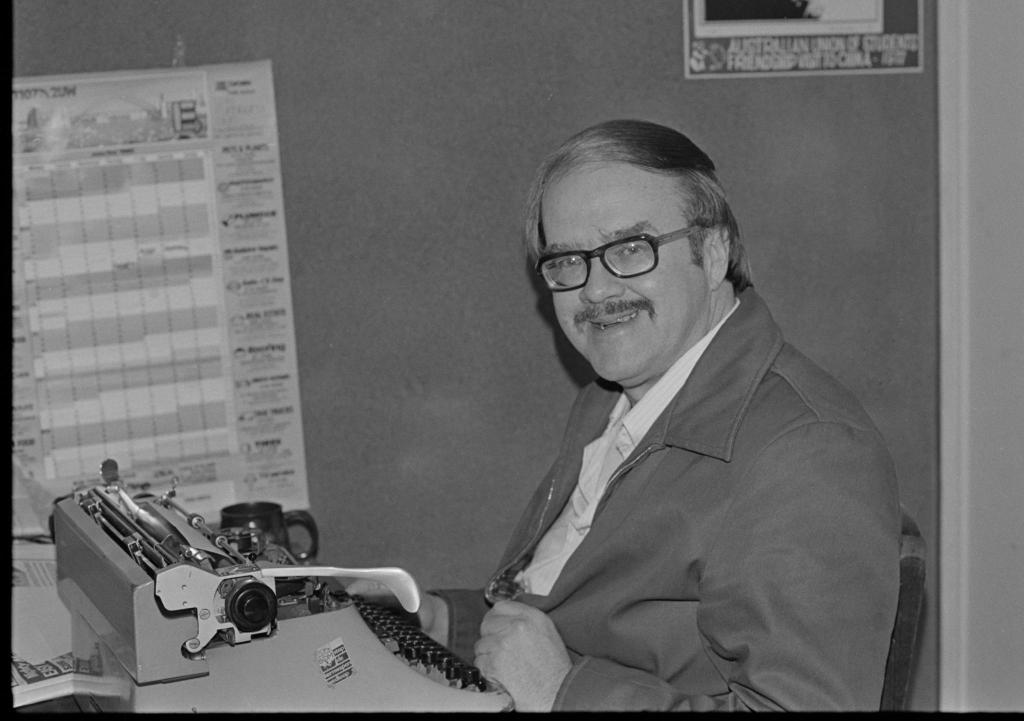
Communists and socialists used (past tense) to have a long tradition of being journalists. This seems to not be much of the case anymore, to the detriment of all involved. Communists instead commit themselves to online blogs, constant self promotion through advertorials, podcasts, and Instagram content mills. The CPA (1920-1991) would have numerous journalists in its rank, such as Denis Freney. It would do us some good to remember the likes of Upton Sinclair and the progressive, pro-labor reform journalists who were derided as “muckrakers” for their groundbreaking investigative journalism which highlighted the struggles of working men and women in early 20th century America.
We in CU try to take up the profession of journalism, because we understand the power that good journalism, good reporting, has. News is whatever is interesting; the political and industrial work of revolutionaries should be of interest, not just to other revolutionaries, but to the class they supposedly aim to organise and lead in struggle.


 PARTISAN!
You must be logged in to post a comment.