Antonio Garcia, Online
Since the horrific Bondi shooting last December, PM Anthony Albanese has repeatedly reiterated his desire to restore ‘social cohesion’ and ‘national unity.’ What methods has he employed to do so? He created a royal commission to look into the attack, passing the burden of decision-making and action onto others. He stood behind NSW Premier Chris Minns as he rushed laws to restrict the right to protest and possess firearms through the state parliament. Finally, he invited Israeli President Isaac Herzog to come to Australia. In short, he created a commission to solve the problem for him, supported state leaders as they clamped down on tangentially-related bourgeois rights, and invited the president of perhaps the world’s most controversial country to speak on the issue. What wonderful planning; what incredible foresight!
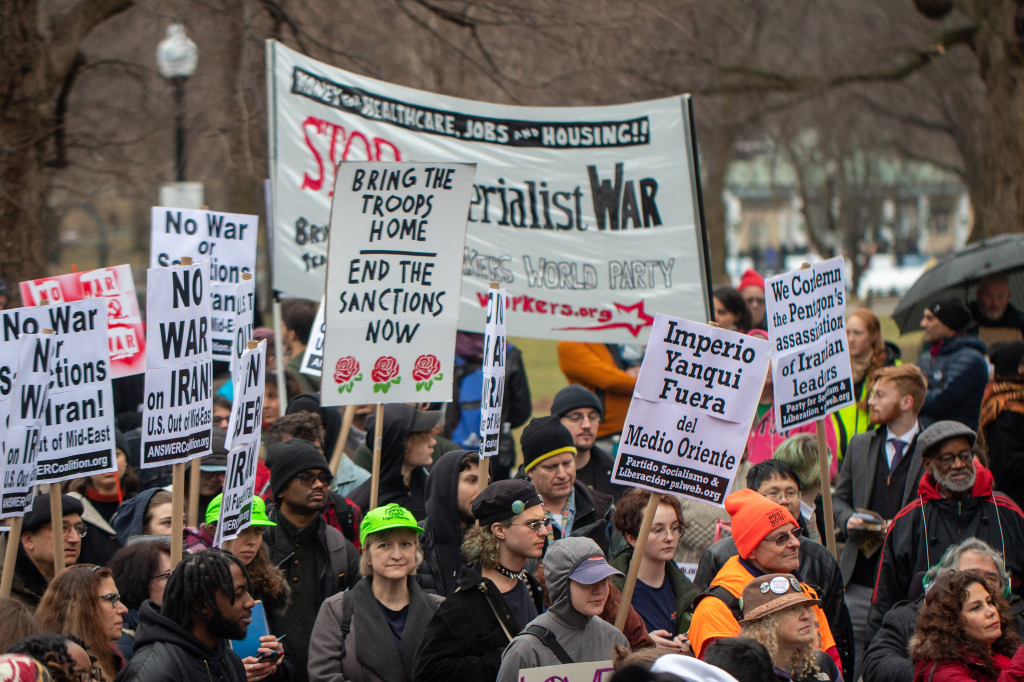
These responses, the knee-jerk reaction of a national bourgeoisie unaccustomed to civil strife, is one that proceeded quite predictably on Monday night. There, in the heart of Sydney, activists gathered to protest Isaac Herzog’s visit. The stakes of the matter were obvious: Herzog was already in Sydney, and the disgruntled cries of protesters wouldn’t send him packing. Moreover, the bulk of the protests were centered in Town Hall, far away from both Bondi Beach, the site of the shooting, and, in all likelihood, wherever Herzog was staying. In other words, this was a peaceful protest which was not pursuing any clear, material end. It was hastily-organised and focused on expressing the discontent of those attending. It was not a serious threat to the Australian state, Herzog’s safety, or even ‘public peace’ – indeed, the bulk of protests occurred between five and eleven o’clock, after most of ‘the public’ had gone home.
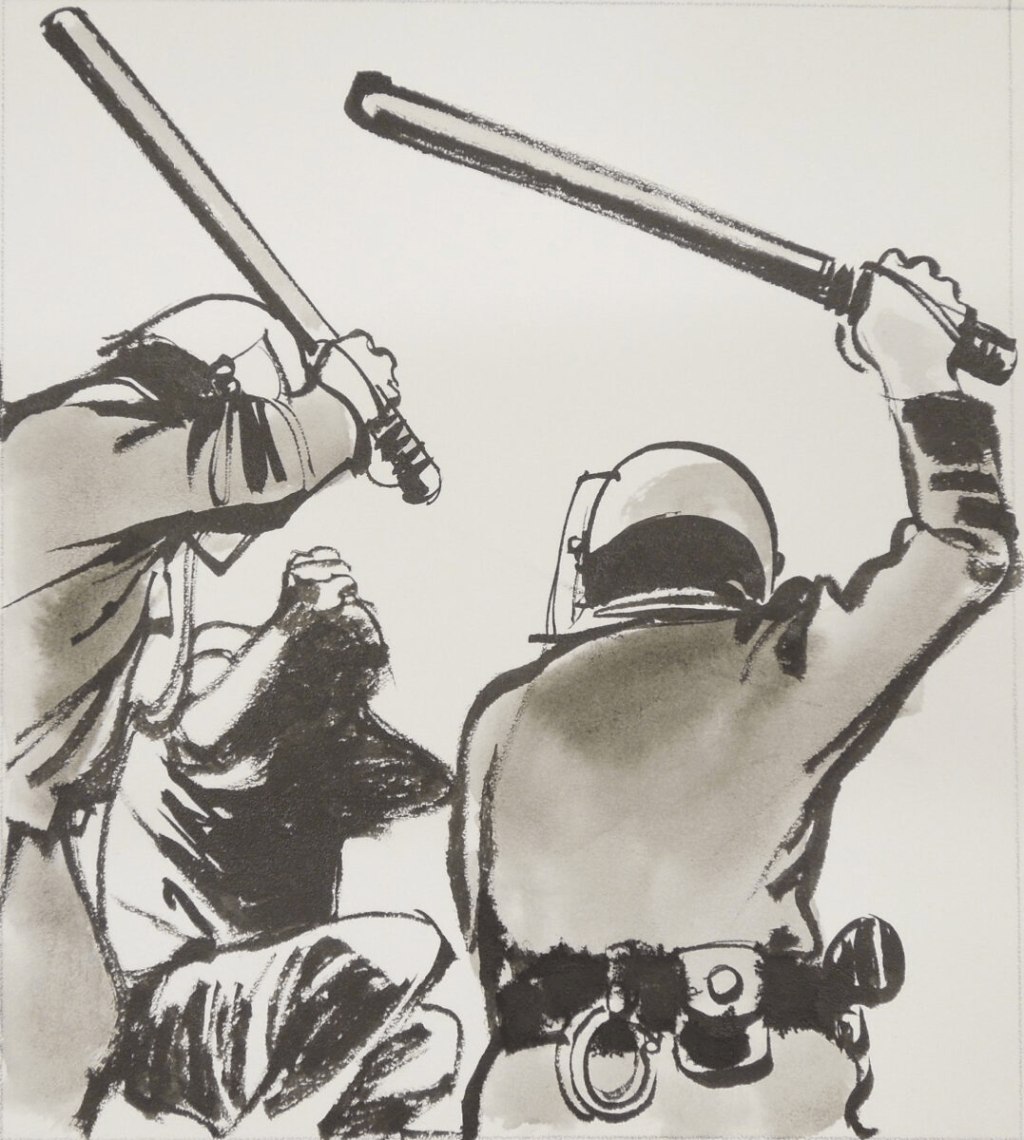
Yet in spite of the protest’s utter disorganisation, the boot came down hard on the activists. Almost as soon as they’d begun, they were ordered to disperse by the police. When these demands did not sway them, police swarmed those assembled. Protestors were chased down the streets of Town Hall, several activists were beaten, twenty-seven were arrested, and nine have been charged with various crimes. Chris Minns and other local authorities were quick to justify the crackdown, claiming the beatdowns were conducted “peacefully, until it became violent,” because “the police had to react.” When asked if anything would be done about the police’s assault of a group of peacefully praying Muslims, Assistant Commissioner Peter McKenna claimed that “if their [the police’s] decisions were right, wrong or otherwise, I’m not going to sit here and judge them this morning, because I saw what they were up against last night.” Regarding another protest planned for Tuesday, NSW Police Minister Yasmin Cartley warned activists, “Think again, because you are deliberately antagonising the NSW police.”
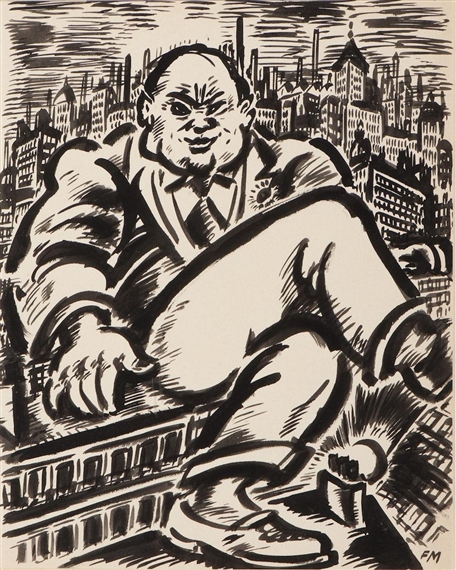
Such an absurd and disproportionate response is sure to rouse the bourgeois press and intellectuals. Some will, of course, defend the police’s response – a conclusion we obviously cannot draw. Those unaware of the bourgeois state’s role in capitalist society may admit it was disproportionate, but will argue that the state can be ‘reformed’ or ‘adjusted’ to ensure similar police violence doesn’t happen again. This is a politically illiterate conclusion, at least in the sphere of Marxist politics. The bourgeois state is the tool of the bourgeoisie, and therefore, will utilise whatever means necessary to safeguard bourgeois rule. Whilst these protests weren’t a genuine threat to Australia’s bourgeois order, such activity, if allowed to persist, may sour Israel and other members of the US bloc’s view of the Australian bourgeoisie.
Thus, to save face in the eyes of its international allies and maintain its favourable position in world imperialism, the Australian haute-bourgeoisie must ensure such protests are firmly controlled. Finally, there will certainly be conspiracists who will use this crackdown to claim that ‘Zionists,’ ‘Jews,’ ‘(((they))),’ or some other dog whistle, control the Australian government from the shadows. These racist, conspiratorial, remarks have no place in the workers’ movement. Not only are they factually incorrect, for they also serve to sow division between proletarians of different races. Dividing the workers by religion, race, nationality, or otherwise, only serves to undermine the workers’ movement and embolden the bourgeoisie to seize upon us at our weakest moment.
What, then, are the lessons to be learned? To our comrades already attuned to Marxism and the workers’ movement, this is a clear, practical, example of Bordiga’s argument: activism is the spontaneous reaction of an unorganised populace. It is spontaneous, poorly-organised, and greatly misconstrues the relations of force underpinning bourgeois dictatorship. It believes sudden bouts of angry words and picket signs are equal to the pepper spray, batons, and guns of the state. It believes sudden surges of emotion are effective counterweights to the falling rate of profit, imperial politics, and bourgeois dictatorship. Those in the workers’ movement will do themselves a service by recalling Monday’s events. It will not be through spontaneous, poorly-organised outbursts, but through carefully-strategised and carefully-planned activity that the workers’ movement will succeed.
We must also recognise that Monday was a show of force. That the bourgeois state pursued such violent ends against unarmed, unorganised, and uncoordinated activists is telling. If this is how it treats a harmless group of protestors, what shall be the fate of earnest threats to bourgeois rule? Clearly, the bourgeois dictatorship holds no qualms with crushing against even the most marginal deviations from its imperial course. When the workers fill the streets with strikes, rallies, and marches for socialism, what shall we expect? Only one word comes to mind: brutality. The bourgeoisie will use every weapon in its arsenal: legal restrictions, physical violence, and a press which will sanitise its violence into a ‘necessary reaction,’ to silence the workers’ demands. It is only a sober, unwavering workers’ movement, one both theoretically and strategically equipped to face such opposition, which can counter the might of the bourgeois state. It is only a strong, united, workers’ party that can proceed past such brutality and construct a world built for and by the working class: an international socialist republic.

 PARTISAN!