Since 2022, a new bloc of independents, called Teals, have cropped up. They aim to win over disaffected voters from the Labor and Liberal parties to an environmentally conscious, but nonetheless conservative, platform. Porco writes about the Teal phenomenon and how communists should relate to it.
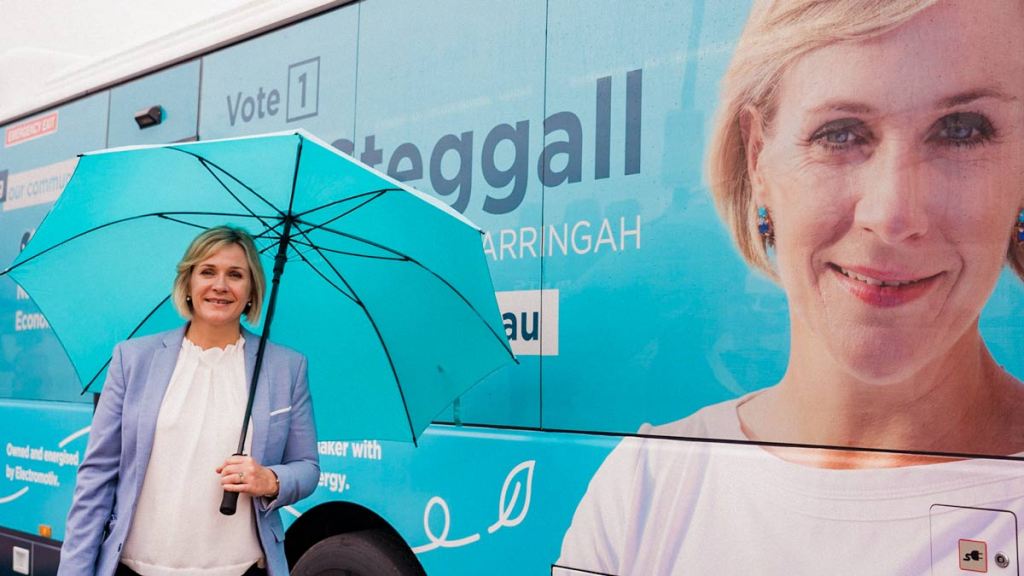
The 2022 election was lost by the Liberal party. Labor narrowly gained a majority, but the real surprise was the seats that the Liberals lost to independents and even the Greens. The Liberals lost three seats to the Greens in Queensland, and across the country another 5 seats to independents. The Liberals under Morrison had been repudiated by a bunch of independents funded by the NGO Climate 200, a political funding organisation started by the heir of Australia’s first billionaire.
Most of the independents that won in 2022 have been referred to as “Teals”. This is an allusion to them being in between the Blue of the Liberal party, and the Greens. This group of independents is not homogenous, nor are they an actual party, but they often function as a sort of oppositional bloc to the two major parties, if only because it benefits their public profiles to maintain a certain independence from either side of the parliament.
The Teals consist of seven MPs, with Zali Steggall considered to be the first. She is an Alpine-skier-turned-lawyer who defeated Tony Abbot in the seat of Warringah in 2019. Warringah had been a safe liberal seat since its formation in 1922, so Steggall’s win over the former Prime Minister was seen as a shift in the attitudes of some Liberal voters. Steggall won 44% of the vote in 2022.
Steggall in many ways is the prototypical Teal. She opposed Bill Shorten’s franking credits policy and has modeled herself as a “supporter of small business”. But for most Teals, climate change and renewables are the main edge they have over the liberals.
The other six Teals are; Monique Ryan, Allegra Spender, Kylea Tink, Sophie Scamps, Zoe Daniel and Kate Chaney. There are another thirty independents who could be considered Teals in the sense that they are funded by the “Climate 200” fundraising group, and are usually challenging Liberal seats. The Teals who won in 2022 were challenging moderate Liberals in wealthy urban areas. They campaigned around the idea that the moderates had no influence on the Morrison government.
The Teals represent an anxious suburban liberalism. These wealthy professional voters in electorates like Kooyong and Warringah want more women in parliament, and less climate change denial, yet still maintain a conservative perspective around housing, tax, and Australia’s economic policy in general. Most Teals centre “economic growth” to be fundamental to the green transition on their websites.
However there is also a narrative that they’re purely disaffected Liberal voters. This is not true. The average Teal voter was either a Labor or Greens voter before voting for Teals. Only 18% of Teals voters were previously Liberal voters. The Teal vote is a tactical vote from wealthier left liberals, against the Liberal moderate in their electorate.
Nevertheless they do need this bloc of moderate Liberal voters dissenting to attain electoral success. Monique Ryan is a perfect example of this phenomena. In 2022, her vote share was over 40%, and while Josh Frydenberg lost 6.5%, the Labor Party candidate lost 10.6% and the Greens lost 14.8%.
Another feature of “Teal” politics, or more accurately the politics of Climate 200, is the focus on getting women into politics. Climate 200 refers to supporting candidates who are “advancing respect and safety for women.”
It remains to be seen whether the Teals, or other independents will make more ground this election. If they do, it will show that many voters in these richer areas are still anxious about climate change and think independents are the politically pragmatic solution. Australians in these electorates want more climate action, but also lower taxes. It seems quite possible that the Teals will expand in the coming years. They may not be a political force that can just be ignored.
This means the parliament, and the two party system that has remained relatively consistent since the 1950s is being called into question. Between 1940 and 1990, no independents were elected to parliament. This post war electoral supremacy from the major parties is breaking down dramatically. If properly taken advantage of, communists may have an opening in the next decade to form their own party for the working class. We should be aiming to split the base of the Labor party and the Greens, and eventually even win the lower strata of Teal and Liberal voters to a socialist platform.
The phenomena of independents is here to stay. They provide the sense of a wider array of choices to nervous professionals and small business owners in the wealthy suburbs around Brisbane, Sydney and Melbourne. But they don’t indicate much else. People in these electorates are worried about climate change, and increasingly frustrated with the Coalition’s reluctance to touch the issue, if not actively deny it.
If the Teals continue to expand, the Coalition will be facing a crisis of legitimacy among its base. But what comes next will not be any less pro-business. We cannot wait for slow electoral shifts that arise from the protest votes of a metropolitan ruling class. A socialist party should be building itself up right now while the cracks in the electoral system are beginning to show. Our current socialist movement is still caught up in the debates of yesterday. Only a reunified party project will help us find the right path.
Australia’s climate predicament cannot be dealt with by an assortment of oppositional independents who exist purely to wedge the major parties. Only a radical, mass workers movement can begin to unwrap the environmental problem that Australian capitalism has created for the workers on this continent. The voter base of the Teals are the last demographic likely to vote for a socialist party, let alone join one. Why would they? They have the Teals.
 PARTISAN!
You must be logged in to post a comment.